




A knocked-out tooth can happen during sports, a fall, a collision, or an unexpected accident. It can be alarming, especially when there is bleeding or pain, but knowing what to do in the first few minutes can make a difference. A permanent tooth may sometimes be saved if it receives prompt dental attention and is handled correctly. If you or a family member experiences a dental injury in Orleans, stay calm, protect the tooth, and seek urgent dental care rather than waiting to see whether the situation improves.
Act Quickly After a Tooth Is Knocked Out
Time matters when a permanent tooth has been completely knocked out. Contact a dentist immediately and explain what happened so the practice can advise you on the next steps. If possible, arrange urgent dental assessment without delay. If the injury also involves serious facial trauma, uncontrolled bleeding, loss of consciousness, or suspected head or jaw injury, seek emergency medical care. Even when the person feels otherwise well, a knocked-out permanent tooth should be treated as a dental emergency.

How Should You Handle a Knocked-Out Tooth?
If you can find the tooth, pick it up carefully by the crown, which is the visible chewing surface, rather than touching the root. If the tooth is dirty, rinse it gently with milk or saline if available, or briefly with clean running water. Do not scrub it, scrape it, or use soap or disinfectant. Avoid letting the root dry out. Handle the tooth as little as possible and take it with you when seeking urgent dental care. The goal is to protect the delicate root surface while getting professional help quickly.
Can You Put a Knocked-Out Tooth Back in Its Socket?
For a permanent tooth, immediate replacement may sometimes be possible if the person is conscious, cooperative, and able to do so safely. Gently place the tooth back into its socket in the correct orientation without forcing it, then hold it in place while seeking urgent dental care. Do not attempt this if the tooth may be a baby tooth, if the person is very young or uncooperative, or if there is a risk of swallowing or inhaling the tooth. Never reinsert a baby tooth, because doing so can damage the developing permanent tooth underneath. If you cannot safely reposition a permanent tooth, keep it moist in milk or an appropriate tooth-preservation solution and get to a dentist immediately. Do not store it in plain water for an extended period.
What If You Cannot Put the Tooth Back in Place?
If the tooth cannot be safely returned to its socket, keeping it moist is important while you seek care. Milk or a purpose-made tooth-preservation solution is generally preferable to allowing the tooth to dry out. If neither is available, a dentist or emergency medical professional can advise on the safest option for the circumstances. Do not wrap the tooth in tissue or leave it loose in a pocket where it may dry out or become damaged. Bring it with you and tell the dental team approximately when the injury occurred.
What Should You Do About Bleeding and Pain?
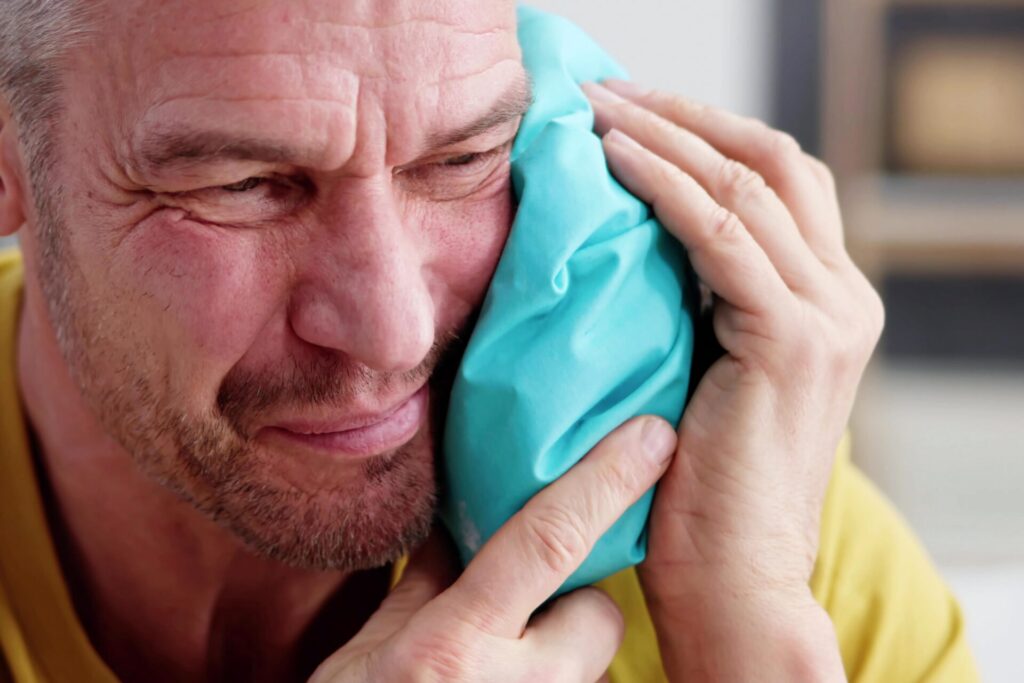
A knocked-out tooth may be accompanied by bleeding from the gums, lips, or other injured tissues. Apply gentle, steady pressure to the bleeding area using clean gauze or a clean cloth. A cold compress held against the outside of the cheek may help reduce swelling. Avoid putting aspirin directly on the gums or injured area, as it can irritate the tissues. If bleeding is heavy or does not stop with pressure, or if the injury involves significant facial trauma, seek emergency medical care. Pain relief should never delay urgent assessment of the tooth.
Can a Knocked-Out Tooth Be Saved?
A permanent tooth can sometimes be replanted, but the outcome depends on several factors, including how quickly treatment begins, how the tooth has been handled, and the condition of the surrounding tissues. A dentist will assess the injury and determine whether the tooth can be repositioned and stabilized. Additional treatment or follow-up may be necessary to monitor healing and check for complications. Even if the tooth has been out for some time, do not assume that treatment is pointless. Seek professional advice as quickly as possible.
What If a Baby Tooth Gets Knocked Out?
A knocked-out baby tooth should not be placed back into the socket. Reimplanting it may harm the permanent tooth developing beneath the gum. However, the child should still be assessed by a dentist, particularly if the injury causes significant pain, bleeding, swelling, or damage to nearby teeth. A dental examination can help determine whether the surrounding tissues or developing teeth have been affected and whether follow-up care is needed. If the child has suffered a serious fall or head injury, seek emergency medical care.

How Can You Help Prevent Dental Injuries?
Not every accident can be prevented, but a few precautions can reduce the risk of dental trauma. Wearing a properly fitted mouthguard during contact sports and activities with a risk of impact can help protect the teeth and soft tissues. Children should use appropriate protective equipment for their activities, and families can keep a dentist’s contact information readily available in case an injury occurs. Regular dental visits also give the dental team an opportunity to identify existing dental concerns and discuss ways to protect the teeth.
Where Can You Get Help for a Dental Emergency in Orleans?
When a permanent tooth is knocked out, getting professional advice promptly is essential. Innes Dental Clinic in Orleans offers dental care and notes that same-day treatment options may be available for urgent concerns. Contact the clinic as soon as possible to explain the injury and ask about immediate care. You can find the practice’s contact information and appointment options on the Innes Dental Clinic contact page. If you have a knocked-out tooth, do not wait for a routine checkup to seek help.